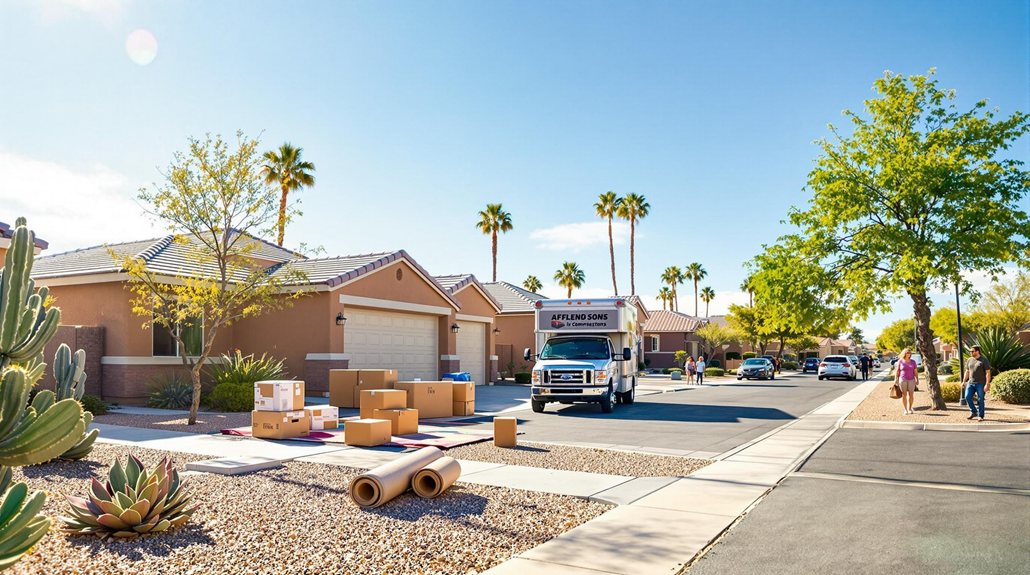
If you’re thinking about moving to Glendale, I’ll tell you, finding an affordable home here isn’t just possible—it’s part of the city’s charm. You’ll see everything from old brick bungalows to tidy mobile homes tucked along quiet streets. Folks care about their neighborhoods, and there’s a real mix of families and long-timers. Still, not every pocket offers the same deal or vibe, so knowing where to look can make all the difference.
Overview of Glendale’s Housing Market
To really get a feel for Glendale’s housing market, you have to look past the numbers and think about what it’s like living here day to day. I see everything from cozy two-bedroom starter homes to roomy places perfect for growing families. Most houses don’t last long—on average, they’re snapped up in less than a month. You’ll notice a steady mix of new listings, which keeps things interesting whether you’re hunting for a place or just watching the neighborhood change. Three-bedroom homes dominate, but smaller options are growing, likely because folks’ needs are shifting. Prices have stayed pretty stable; it’s not the wild swings you might see in Phoenix. Glendale feels balanced—affordable for many, but never lacking in real community character.
Spotlight on Centerline on Glendale: Arizona’s First State LIHTC Project
When I first heard about Centerline on Glendale breaking ground, I knew it was something different—something the neighborhood’s been waiting on for years. It’s Arizona’s first project using the new state Low-Income Housing Tax Credit, and honestly, you can feel the buzz around here. The scale alone—eight buildings, 368 mixed-income units—brings a fresh sense of possibility to Glendale. I’ve watched families, seniors, and even veterans move in, grateful for rents that make sense for real people, not just the wealthy. The splash pad is always busy, and the walking paths wind through the property like a small oasis. With supportive services and amenities, Centerline on Glendale isn’t just housing—it’s a shot at stability and belonging for folks who need it most.
Where to Find Budget-Friendly Homes for Purchase
If you’ve ever wondered whether buying a home in Glendale is still possible on a tight budget, let me assure you—it is, though you have to know where to look and be ready to act fast. I’ve seen more than 80 homes listed under $100K, mostly cozy manufactured homes or older single-families tucked near West Missouri Ave or 71st Ave. Many of these spots offer pools and covered parking, which is a real bonus in our summer heat. If you stretch your budget to $200K, you’ll find more traditional homes, often in older neighborhoods with a bit more space and updated interiors. I always tell folks, check out mobile home parks or communities near North Phoenix—there are some hidden gems if you keep your eyes open.
Safety and Affordability: Top Neighborhood Picks
Before you get too deep in the home search, let me share what I’ve learned about Glendale’s neighborhoods that manage to balance safety and affordability—a combination folks here truly value. Over the years, I’ve seen families, young professionals, and retirees gravitate toward a few standout areas where you don’t have to trade peace of mind for a reasonable mortgage or rent. Here’s what stands out to me:
- Citrus Grove: High walkability, diverse homes, and solid schools. Median home price is $608k, but rentals are quite accessible.
- Adams Hill: Friendly vibe, active neighborhood watch, and housing that’s kind to modest budgets make it great for families.
- Chevy Chase: Affordable single-family homes, green spaces for real community gatherings, and consistently low crime rates.
Each spot offers a genuinely livable balance.
Amenities and Support Services in New Developments
When I walk through some of the newer affordable developments around Glendale, what strikes me isn’t just the fresh paint or tidy landscaping—it’s the thoughtful mix of amenities and support that truly make these places feel like home. There are splash pads for kids, dog parks for four-legged friends, and long walking trails where neighbors actually stop to chat. I’ve noticed fitness centers, business incubators, and even commercial kitchens—spaces that nudge you to get involved, stay active, or start something new. Every unit is designed with accessibility in mind, and there’s real attention given to supporting seniors, veterans, and folks overcoming homelessness. On-site staff help with job training, case management, and telehealth, making it feel less like just housing, and more like a genuine community.
Economic Growth and Its Impact on Housing
You can really feel the changes around Glendale as the city’s economy picks up steam. New businesses are popping up, and there’s a buzz about all the jobs coming in—Arizona Commerce Authority says we’re looking at record-breaking numbers this year. I’ve watched traffic patterns change as infrastructure improves, and it’s not just the roads; the city’s putting money into water systems, tech, and parks, too. All this growth has made Glendale more attractive, but I’ve noticed it’s also driving up demand for homes. With steady job growth and rising wages, more folks want to live close to work. That’s fantastic, but it can push housing prices higher, especially if new homes don’t keep up with all these newcomers moving in.
Accessibility and Inclusive Housing Options
As Glendale’s neighborhoods grow and change, I’ve noticed how much more folks are talking about what it really means for a place to feel like home—especially if you’re living with a disability or caring for someone who does. I’ve seen firsthand how Centerline on Glendale is setting a new standard for accessible, inclusive living. They’re blending universal design—think step-free entries, wide doorways, and sensory-friendly features—with thoughtful community spaces you can actually use if you’re on wheels or need extra support. It’s about more than ramps; it’s about dignity and connection. If you’re considering a move, here are a few things that stand out:
- Barrier-free community amenities (fitness center, dog park, walking paths)
- Affordable units for households below 60% AMI
- On-site support for special needs and economic inclusion
Tips for Maximizing Value When Moving to Glendale
Even with all the talk about home prices and market stats, I’ve learned that getting the most for your money in Glendale comes down to knowing where to look—and what to look for. I always tell folks to check out emerging neighborhoods, like Historic Downtown, where revitalization is driving up future value. Living near Westgate or the stadium means easy access to jobs and entertainment, which also helps with rental potential. With more homes hitting the market lately, there’s a bit less competition, so you can take your time and find a real gem. I keep an eye on price per square foot and how long homes sit before going pending—it says a lot about value and timing. Trust me, patience and local insight pay off.
FAQ
What Are Typical Utility Costs for Renters and Homeowners in Glendale?
If you’re settling into Glendale, expect electricity bills around $191 a month—ours just keeps creeping up, especially in summer. Water and sewer add roughly $40–$60, though it can jump in hotter months when everyone’s sprinklers are running. APS and SRP handle power; SRP’s a bit cheaper if you’re in their area. Some neighbors swear by solar to beat the rate hikes—makes sense with all this sunshine. Utility costs can really depend on your habits.
How Accessible Is Public Transportation in Glendale’s Affordable Neighborhoods?
Public transit here’s honestly pretty solid if you need it. I use the GUS buses a lot—they loop through most neighborhoods, and you can hop on near 59th or 75th. Valley Metro’s got us covered for longer trips. Glendale OnBoard is a lifesaver for folks who can’t easily get to a stop. It’s not fancy, but it’s reliable, ADA-friendly, and runs weekends. You’ll find stops close to most apartment complexes, too.
Are There Pet-Friendly Affordable Housing Options Available in Glendale?
If you’ve got pets, Glendale’s actually a pretty easy place to find an affordable spot that’ll welcome them. I’ve seen plenty of listings—apartments, even some single-family homes—with dog parks or pet washing stations. Most places ask for a pet deposit or a small fee, but it’s manageable. Just make sure to check the breed and weight rules; every landlord’s a little different. Green spaces are everywhere, so walks are a breeze.
What Are the Average Commute Times to Phoenix From Glendale?
Most days, my drive from Glendale to downtown Phoenix takes about 25 minutes—give or take, depending on the time. If you’re heading out before 7 a.m., expect heavier traffic since a lot of folks here start early. Rush hour can stretch things closer to 30 minutes. We’ve got solid freeway access, though, and plenty of sunshine, so you won’t usually battle bad weather. It’s a pretty manageable commute overall.
Are There Special Programs for First-Time Homebuyers in Glendale?
Absolutely, there are some solid programs for first-time homebuyers here in Glendale. I’ve seen neighbors take advantage of things like Home in Five, which really helps with down payment costs if your credit and income fit the bill. There’s also statewide help, like grants for middle-income families or matching funds for lower incomes. It’s worth checking with local lenders—they know which programs are active and can walk you through all the steps.
Overall Thoughts
Living here in Glendale, I’ve seen how the right spot can make all the difference—whether you’re eyeing a cozy place near 71st Ave or settling into a friendly block in Adams Hill. There’s a real sense of community, and with so many affordable options, it’s easier than ever to find your footing. If you’re thinking about moving, just know Glendale’s more than numbers—it’s neighbors, parks, and everyday moments that feel like home.