


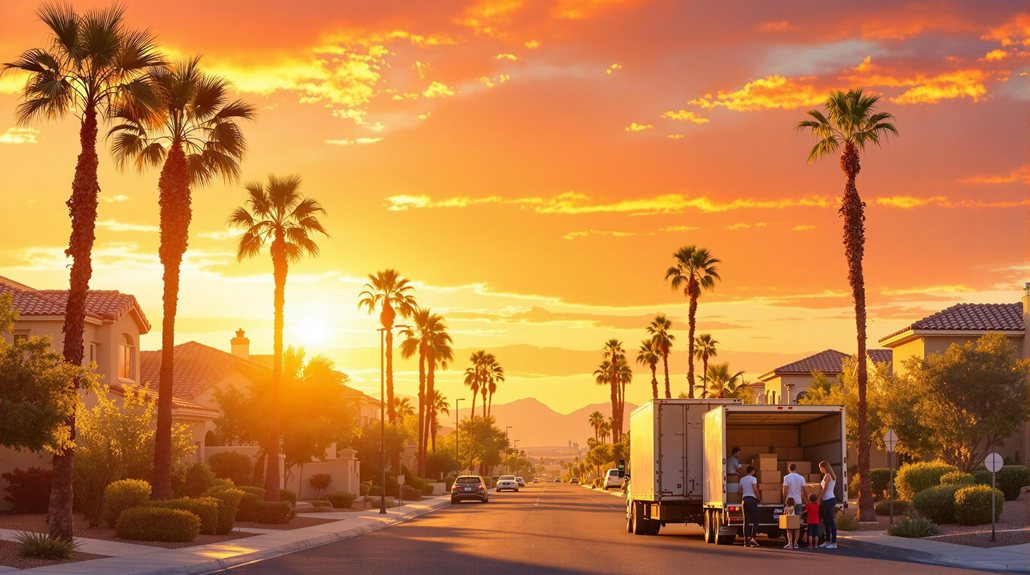
When I first settled in Glendale, I was drawn by the lower cost of living compared to Phoenix and the strong sense of community, but there were a few curveballs too—like how the summer heat really shapes daily routines and how traffic can test your patience. If you’re weighing a move here, it’s worth looking past the sunshine and sports to see how the city actually works day to day. Let’s talk about what really stands out.
Cost of Living Breakdown
If you're curious about what your wallet might feel like after moving to Glendale, let me walk you through the basics. Utilities for a two-bedroom place usually run $180 to $220 a month, cheaper than Phoenix, but about 7% higher than the national average. Summers here mean cranking up the AC, though some utility companies offer off-peak deals to help. Groceries are about 3% pricier than the national average; think $4.07 for bread, $2.79 for milk, and bananas at 76 cents a bunch. Gas is around $3.19 per gallon, and public transit’s handy, but you’ll still pay a bit more than average. Healthcare’s one bright spot—doctor and dentist visits come in lower than elsewhere, so you’ll save a little there. Phone bills? Not cheap.
Housing Market Overview
Step onto just about any street in Glendale, and you’ll spot a mix of tidy ranch homes, newer builds tucked into cul-de-sacs, and the occasional fixer that’s seen a few decades of desert sun. The housing market here is steady—median prices hover around $411,000 to $427,000, depending on who you ask and which street you’re standing on. Prices have bobbed a bit lately, but nothing dramatic. Most homes are three- or four-bedroom places, though you’ll see everything from compact one-beds to sprawling five-bedroom family homes. Homes don’t sit long—about 26 days is typical—and bidding wars do break out, especially for move-in-ready properties. Rentals are strong, too, with $1,900 median rent keeping the investment crowd interested.
Popular Neighborhoods to Consider
Ever wonder what really sets Glendale’s neighborhoods apart from the rest of the Valley? Let me walk you through a few local favorites I’ve come to know well. There’s Rossmoyne, where tree-lined streets, historic homes, and active neighbors make it feel like a storybook from the 1920s—plus you’ll find everything from pizza joints to art studios within walking distance. Coventry Estates is for those who crave peace, parks, and top schools, all within a dog-friendly, close-knit community. Arrowhead Lakes offers tranquil waterside living and easy access to both shopping and nature. Historic Downtown’s got that walkable, artsy vibe with its vintage shops and lively events. And Palomino’s newer homes and friendly parks always seem busy with families. Each spot’s got its own distinct pulse.
Typical Monthly Expenses
Once you’ve zeroed in on the neighborhood that feels like home, the next thing everyone asks is, “What’s it really going to cost me to live here each month?” I’ll be honest—Glendale isn’t the cheapest spot in Arizona, but you get a lot for the money. My rent for a one-bedroom hovers around $1,400, and friends with mortgages keep a close eye on that 28% of income rule. Utilities—especially during those roasting summer months—average about $220, and internet or cell service adds another $210. Groceries run me roughly $300 each month, thanks to slightly higher-than-average prices. Getting around isn’t free, either; car expenses or transit put another $300 onto the monthly tab.
Income and Job Market Insights
Although Glendale’s skyline doesn’t rival downtown Phoenix, the job market here hums with its own steady rhythm. I’ve noticed that most folks around town work in trade, logistics, or manufacturing—sectors that have actually seen some job gains lately, even as Arizona’s overall employment growth has cooled. Our unemployment rate sits at about 4.1%, matching the national average, but the job scene isn’t without its bumps. Lately, government and professional jobs have taken a hit, which is tough for those who count on those roles. If you’re moving here for work, you’ll want to stay flexible and keep an eye on which industries are hiring. Most people I know adapt by casting a wide net—sometimes that’s what works best in Glendale.
Pros of Relocating to Glendale
If you’re weighing a move to Glendale, I can tell you firsthand there’s a lot to like about calling this place home. For starters, the cost of living is much friendlier than what you’ll find in neighboring Phoenix or Scottsdale. The housing market feels stable, and whether you’re looking to buy or rent, the options don’t break the bank. The city itself is buzzing with energy, thanks to its growing, diverse population and all the cultural flavor that brings. I love how easy it is to get around with several major highways and good public transit options. Some of the standout pros in my experience include:
- Affordable homes with a strong sense of community
- Easy access to Phoenix and nearby amenities
- Truly vibrant cultural and recreational life
Cons and Potential Drawbacks
Let me be honest—living in Glendale isn’t all sunshine and smooth sailing. If you don’t love driving, you might struggle here. Public transit is sparse, and walking or biking isn’t easy, especially when it’s scorching outside. Traffic jams are a daily reality, especially during rush hour or when there’s a big game or concert in town. Some neighborhoods, particularly closer to downtown and southeast Glendale, see higher crime rates, which can make you think twice about where you settle. The extreme summer heat isn’t just uncomfortable—it dictates your routine, keeping most of us indoors for months. Water issues are always in the background, and with the city spreading out, it sometimes feels like everything’s a long drive away.
Surprising Costs for New Residents
Moving to Glendale comes with a few financial curveballs that catch a lot of folks off guard, myself included when I first landed here. Sure, you expect moving costs, but the details can sting. I was surprised by how quickly little charges added up—from movers tacking on fees for stairs or that last-minute request for help with the couch, to unexpected deposits just to flip the lights on. Here are a few “hidden” expenses I wish I’d known about sooner:
- Utility setup deposits and fees—especially for water and electricity—can hit your budget right out of the gate.
- Desert climate requires extra spending on air conditioning upgrades and dust-proofing furniture.
- Vehicle expenses add up fast: higher gas, extra maintenance, and registration fees unique to Arizona.
Healthcare Affordability
Sticker shock from those first few bills is real, but at least Glendale offers a bit of relief when it comes to healthcare. I’ve found that a doctor’s visit here runs about $138—noticeably less than many places I’ve lived. Dentist and optometrist visits aren’t bad either, usually hovering around $113 and $125. Even prescriptions are cheaper, averaging under $20 per fill. It’s a real help, especially if you’ve got kids or pets (vet visits are $71 on average). That said, healthcare costs across Arizona have climbed fast—up 26% in just a few years, outpacing most of the country. While our city’s budget keeps property taxes steady, there’s not much direct help for healthcare. Affordable visits are nice, but premiums and long-term care keep rising.
Transportation and Commuting Costs
Honestly, getting around Glendale isn’t the headache you might expect for a city this size. I’ve found the transit here surprisingly practical and affordable, especially if you don’t want to drive everywhere. Between buses, the GUS shuttle, and microtransit, you can get across town or connect to Phoenix easily.
Here’s what really stands out about Glendale’s transportation:
- GUS runs late on weekends, so you aren’t stranded after hours.
- Park-and-Ride lots make it easy to mix driving and transit.
Honestly, commuting here feels manageable—and sometimes even pleasant.
Grocery and Essential Shopping
Once you’ve figured out how you’ll get around, the next thing you’ll probably want to know is where you’ll do your grocery runs. In Glendale, you’re spoiled for choice. I bounce between Fry’s for the everyday stuff—they’ve got everything from fresh produce to health products and make life easier with curbside pickup. When I’m feeling adventurous or want something unique, Trader Joe’s is my go-to; their cheese selection and quirky snacks never disappoint. Walmart Supercenter is unbeatable for late-night runs or one-stop shopping. If you love authentic Mexican food, Los Altos Ranch Markets are a must—think fresh tortillas, carnitas, and a bakery that smells amazing. ALDI is great for stretching your dollar, especially with their weekly special deals.
Budgeting Tips for Newcomers
Budgeting in Glendale isn’t just about crunching numbers—it’s about knowing where your money actually goes each month. When I first moved here, I realized fast that housing eats up a big chunk—rent isn’t cheap, and the 28% rule for housing costs is definitely worth sticking to. Utilities and transportation are a tad higher than what friends pay in other cities, so I always check those bills twice. Healthcare is surprisingly affordable, which lets me set aside a little more for savings or the occasional evening out. Here’s what’s worked for me:
- Track every expense, even small ones like coffee or snacks.
- Use the 50-30-20 rule to split needs, wants, and savings.
- Review utility and phone bills for any unnecessary charges.
Staying on top of it really pays off here.
Lifestyle and Community Amenities
Pinching pennies is one thing, but what really makes life in Glendale feel rich is all the ways you can actually enjoy your free time. I love that most people here live just a short walk from a park—there are over 75, from the trails at Thunderbird Conservation Park to quiet neighborhood greens. On weekends, you’ll find families picnicking, kids playing soccer, and neighbors chatting near the splash pads. Downtown, antique shops and quirky boutiques are perfect for browsing, especially during big events like the Chocolate Affaire or the Glitter & Glow Block Party. If you’re into sports, State Farm Stadium buzzes with Cardinals fans. Nightlife hums in Westgate, but there are also simple joys—block parties, cozy libraries, and a real sense of belonging.
FAQ
What Is the Quality of Local Public Schools in Glendale, AZ?
I’ve found Glendale’s public schools to be pretty solid overall. Some, like Archway Classical Academy and Sierra Verde, rank near the top statewide—parents talk a lot about strong academics and dedicated teachers. Districts are big, so there’s a lot of variety, but I’ve noticed most schools are diverse, with active parent communities. My neighbors appreciate the mix of academic rigor and support, and honestly, teacher quality makes a real difference here.
How Diverse Is the Population and Culture in Glendale?
I’ve lived here long enough to really feel Glendale’s diversity day to day. You’ll notice a strong Hispanic presence—great food, family gatherings, and festivals—plus a mix of White, Black, Asian, and Native communities. Most folks speak English at home, but you’ll hear Spanish around, especially at local markets. There’s a blend of people—students, long-timers, newcomers—so it’s not just numbers; it’s the way cultures mix throughout the city.
Are There Opportunities for Outdoor Recreation and Hiking Nearby?
Absolutely, you’ll find tons of outdoor options here. I love how Thunderbird Conservation Park sits right in our backyard, with trails for every mood—sometimes I’ll just hike, other days I’ll bring my bike. Deem Hills and Reach 11 are also close, less crowded, and perfect if you want a quieter spot. Even if you’re new to hiking, there’s something accessible. The desert at sunrise is something I never get tired of.
What Is the Crime Rate and General Safety in Glendale Neighborhoods?
Living here, I notice Glendale’s got a real mix when it comes to safety—some neighborhoods are much safer than others. The northwest feels calmer, while the southeast can be rougher, especially after dark. Property crime, especially car theft, is a worry for a lot of folks. Most of us keep our cars locked and stick to well-lit areas. Neighborhood watch groups help, but it’s smart to stay alert and get to know your neighbors.
How Pet-Friendly Is Glendale for Dog and Cat Owners?
Honestly, Glendale’s a dream for pet owners like me. We’ve got great dog parks—Sahuaro Ranch is my favorite for its agility course—and most neighborhoods are a short walk from green space. Pet-friendly patios are everywhere, and you’ll see dogs at community events all year. Just watch summer heat and check the park closure schedules. The city feels thoughtfully set up for pets, and people here really respect responsible ownership.
Overall Thoughts
Living in Glendale isn’t just about lower costs or sunny days—it’s about finding your rhythm in a place that’s proud of its quirks. Sure, the heat’ll test you and the traffic can get old, but you’ll also find friendly faces at the farmers market and parks full of life. If you’re up for a little adapting, Glendale has a way of making you feel at home, even if it’s not always what you expected.